Guide
Every deadline that applies
Three clocks, running at very different speeds, and the shortest is measured in days.
Published July 29, 2026 · Last reviewed July 30, 2026
1. The sample — days
The only irreversible one. A stool culture can be taken while someone is symptomatic and not afterwards. If nobody identifies the organism, most claims end there regardless of how much time remains to file.
2. Government entities — often 60 to 180 days
If the exposure involved a public school, a municipal water system, a public pool or splash pad, a county fair run by a public body, or a public hospital, claims against government entities generally require a formal notice of claim within a short administrative window before any lawsuit is possible.
Miss it and the claim is typically barred permanently, even though the ordinary statute of limitations hasn't run. It is the most common way a strong case is lost on procedure.
3. The lawsuit — usually two to three years
Your state's personal injury statute of limitations governs, most commonly two years, some states one or three. Wrongful death is frequently shorter and runs from the date of death.
Product liability claims may run on a different clock, and some states apply a discovery rule where the connection genuinely wasn't knowable earlier — relevant where an outbreak is declared long after the illness.
Deadlines for minors are typically tolled, which matters because most HUS patients are children. That is a reason not to panic, not a reason to wait.
What doesn't extend anything
Waiting for a CDC investigation to close, waiting for a recall, negotiating with an insurer, or corresponding with a company's customer service. None of these toll a statute of limitations, and nobody involved is obliged to warn you it's approaching.
Questions
The outbreak investigation is still open. Should we wait?
No. Investigations run for months and sometimes never formally close. Your individual deadline runs regardless, and coordinated litigation organises early.
It's been a year and we only just connected it to a recall.
Worth a review. A discovery rule may apply where the link genuinely wasn't knowable, and if the patient is a child the deadline is likely tolled anyway. Gather the medical records and the lab result first.
Our child was infected at a public school.
Move quickly. Notice-of-claim requirements against public bodies can be as short as 60 days and they are strictly enforced. This is the situation where a delay of a few weeks genuinely ends a claim.
Situations this applies to

HUS — kidney failure
The catastrophic outcome, mostly in young children. These are the highest-value food cases there are.
Read this
Animal contact or water
Not all E. coli is food. Fairs and untreated water have their own duty standards.
Read this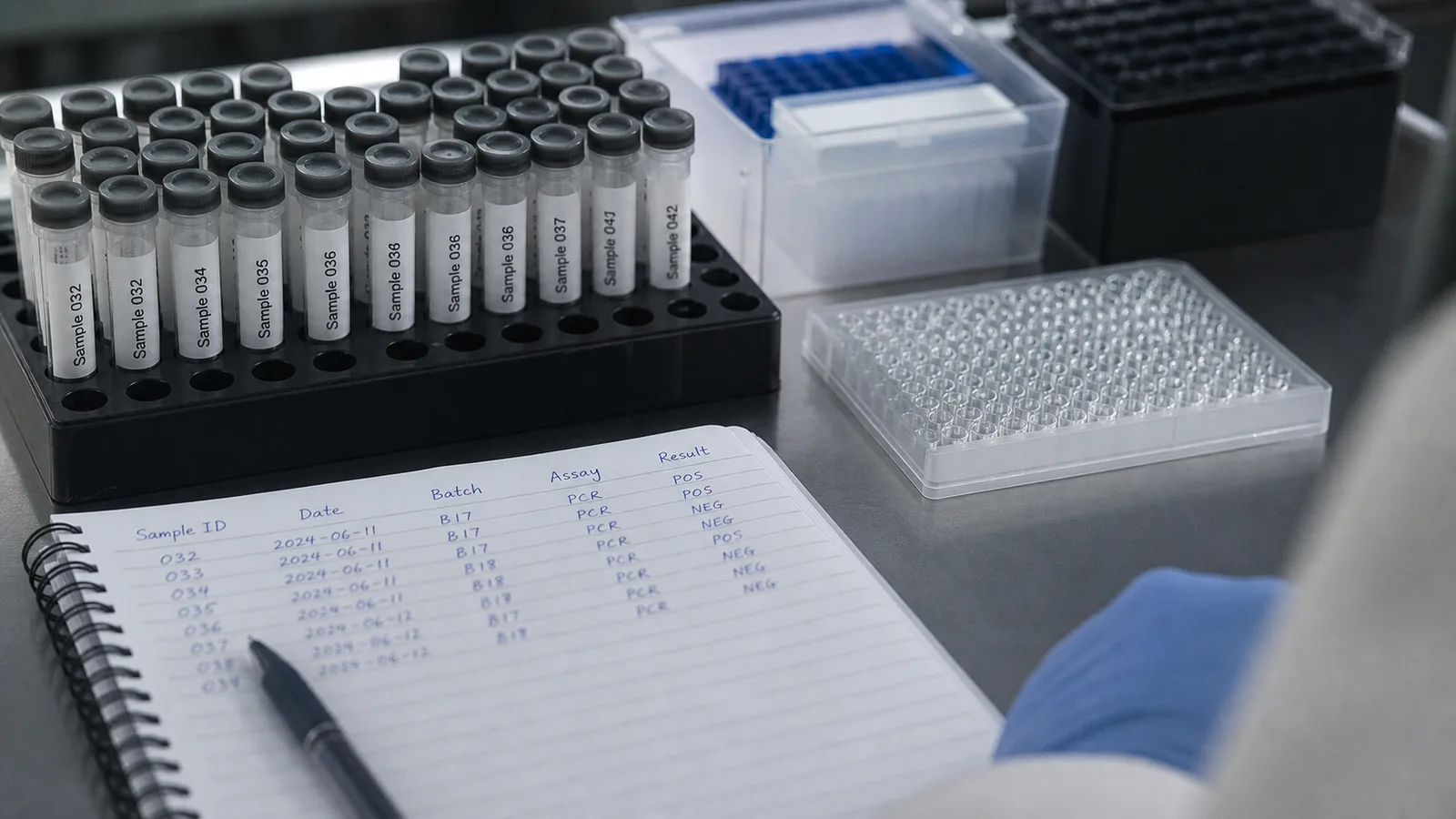
I'm part of an outbreak
The strongest position in food litigation. Federal investigators do the causation work.
Read this
I got sick after eating out
Provable only if the organism was confirmed. The meal you suspect is often the wrong one.
Read thisRelated guides
Evidence and research resources
See all resourcesEvidence checklist
The records, objects, photographs, and timelines worth preserving now.
Read thisPlain-language glossary
Medical, insurance, safety, and legal terms explained without the jargon.
Read thisOfficial sources
The government, court, safety, and medical sources used to check this site.
Read thisGet a straight answer about your case
Reading only gets you so far. A free review puts your actual facts in front of an attorney who handles these claims.
Free · No obligation · About 90 seconds