Guide
What an E. coli case is actually worth
E. coli produces both the least viable food claims and the most valuable ones, and the line between them is fairly clean.
Published July 29, 2026 · Last reviewed July 30, 2026
The dividing line
Uncomplicated infection that resolved in under a week, no hospitalisation, no lab confirmation: generally not viable, even where a defendant genuinely caused it. The economic damages are small and proving causation costs many times more.
Hospitalisation with a confirmed isolate, and especially HUS: serious cases that are actively pursued.
What moves the number
In rough order of weight.
- Whether HUS developed, and whether dialysis was required
- Permanent kidney impairment, and documented nephrology follow-up establishing it
- Age — paediatric cases are valued highest because the loss horizon is a lifetime
- Future medical care, projected across life expectancy rather than billed to date
- Lost earning capacity, including a parent's lost income during a long admission
- Whether an outbreak link removes the causation fight
- What the defendant knew — traceback routinely surfaces prior positive tests, ignored findings, or sanitation failures the company was already aware of
- Available insurance, which is frequently the practical ceiling
Why defendant knowledge matters more here
Outbreak investigations produce internal documents. Environmental monitoring results, prior positive samples, supplier audits, and ignored inspection findings all become discoverable.
A company that had evidence of contamination and shipped anyway is in a very different position from one genuinely blindsided — and that difference shows up in the number.
Timing
Individual claims against a restaurant with clear liability can resolve in months. Outbreak cases against growers and processors commonly run one to three years, since they often wait on the government investigation.
Don't settle a HUS case before the long-term kidney picture is understood. Settlement is final, and some effects surface years later.
Questions
Can you tell me what my case is worth?
Not from a form, and neither can anyone who hasn't read the medical records. What a review does is tell you whether it's viable and what the realistic range looks like once someone has seen the file.
My child got HUS. What should I be doing?
Talk to someone experienced in foodborne illness litigation now rather than later. Preserve every medical record, keep any remaining food and packaging, confirm the isolate was cultured and retained, and keep the nephrology follow-up appointments — that record is what establishes permanence.
What if it's just me and I was off work for two weeks?
Lost wages and medical costs are recoverable in principle, but on their own they rarely justify the cost of proving causation. If liability is clear and documented, it can still be worth a review — an honest 'probably not' is a useful answer too.
Situations this applies to

HUS — kidney failure
The catastrophic outcome, mostly in young children. These are the highest-value food cases there are.
Read this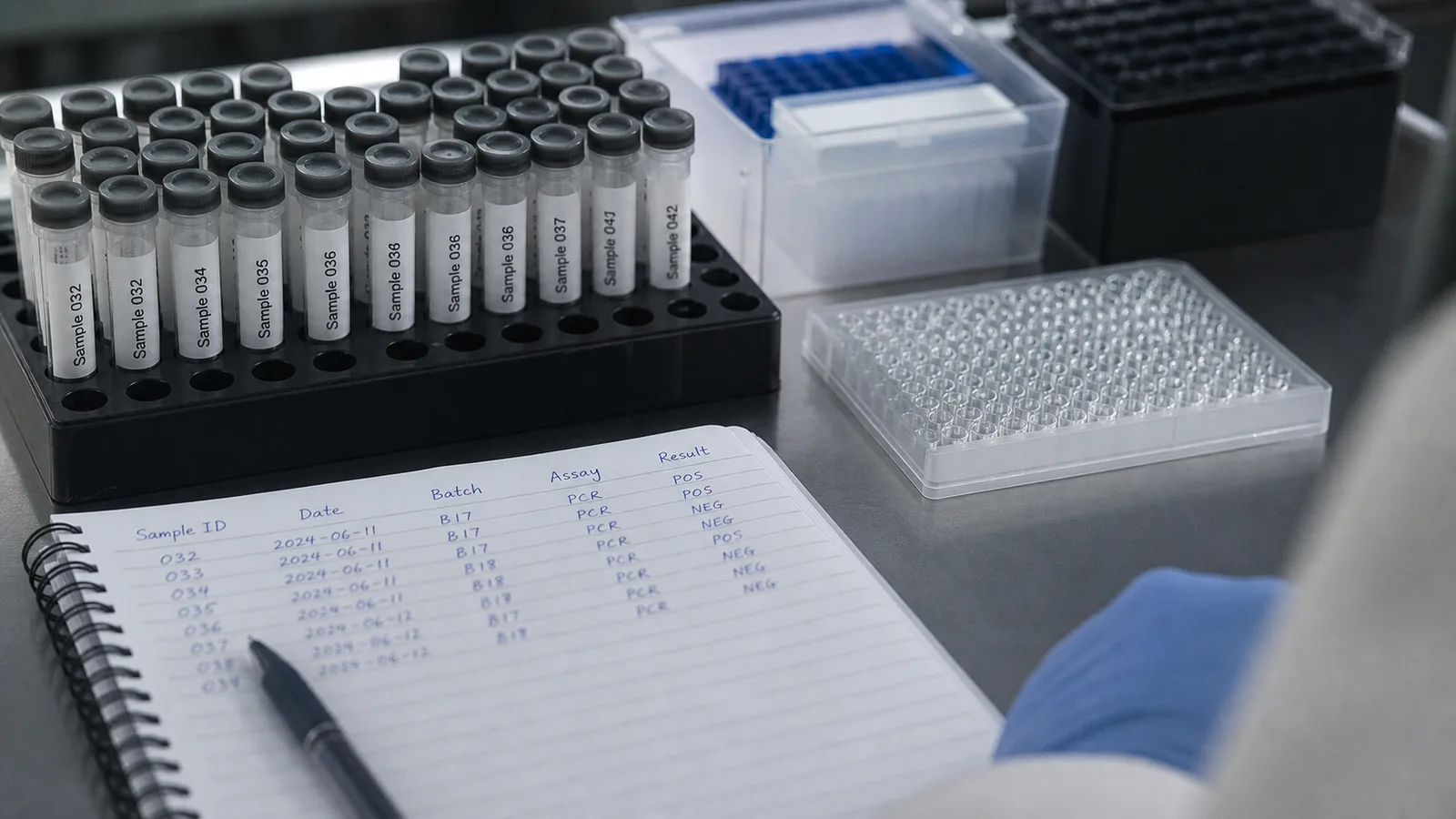
I'm part of an outbreak
The strongest position in food litigation. Federal investigators do the causation work.
Read this
I got sick after eating out
Provable only if the organism was confirmed. The meal you suspect is often the wrong one.
Read this
Animal contact or water
Not all E. coli is food. Fairs and untreated water have their own duty standards.
Read thisRelated guides
The deadlines
Years to file. Days to get the sample. Sixty days if a public body is involved.
Read thisWho's actually liable
Contamination usually starts at the farm or plant. So does the real coverage.
Read thisGetting it confirmed
The one thing that can only be done while someone is still ill.
Read thisEvidence and research resources
See all resourcesEvidence checklist
The records, objects, photographs, and timelines worth preserving now.
Read thisPlain-language glossary
Medical, insurance, safety, and legal terms explained without the jargon.
Read thisOfficial sources
The government, court, safety, and medical sources used to check this site.
Read thisGet a straight answer about your case
Reading only gets you so far. A free review puts your actual facts in front of an attorney who handles these claims.
Free · No obligation · About 90 seconds