Guide
Getting the organism confirmed, before the window shuts
Every other question about an E. coli claim is downstream of this one. If the organism was never identified, causation generally cannot be established, and no amount of later effort recovers it.
Published July 29, 2026 · Last reviewed July 30, 2026
Ask for a culture, and say why
Many providers treat diarrhoeal illness symptomatically because identifying the organism doesn't change their management. Legally it changes everything, so ask directly.
There's a technical wrinkle worth knowing. Many labs now run a rapid molecular panel first, which can detect Shiga toxin genes quickly. That's useful clinically, but sequencing for outbreak matching generally requires a cultured isolate rather than a PCR result. So ask specifically whether reflex culture is being performed and whether the isolate will be retained.
If you're too unwell to advocate, have whoever is with you ask.
What the result should tell you
You want the organism named. O157:H7 is the serotype most associated with HUS and the one most people mean by E. coli, but non-O157 STEC serogroups also cause serious illness and outbreaks, and they are increasingly identified.
Get a copy of the actual laboratory report rather than a summary in a discharge letter. It should identify the organism and note Shiga toxin detection.
What happens next, automatically
STEC is a nationally notifiable condition. A positive result is reported to the state public health laboratory, the isolate is whole-genome sequenced, and the sequence is compared against a national database.
If it matches other recent isolates, a cluster is flagged and investigators start interviewing patients about food histories. That is how outbreaks are found, and being inside one is the strongest position available to a claimant.
None of it happens if the sample was never cultured.
Report it yourself as well
Reporting to your local health department is free, takes minutes, and is often possible online. Give them the establishment or exposure, the dates, what was eaten, when symptoms began, and whether anyone else got sick.
Keep the case or complaint number. It becomes the reference point for everything that follows.
Questions
My doctor said testing wouldn't change the treatment.
Clinically that's often true, which is exactly why it gets skipped. Explain that you need the organism identified for reasons beyond treatment. Most physicians will order it when asked directly, and emergency departments generally will for bloody diarrhoea.
I got a positive PCR but no culture. Is that enough?
It's much better than nothing — it confirms Shiga toxin genes were present. But outbreak matching generally needs the cultured isolate, so ask whether reflex culture was done and whether anything was retained. Raise it early; labs discard material on a schedule.
Will reporting get the restaurant in trouble?
It triggers an inspection, which is the point — if there's a systemic problem, other people are getting sick too. Reports can usually be made without your name being given to the business.
Situations this applies to

HUS — kidney failure
The catastrophic outcome, mostly in young children. These are the highest-value food cases there are.
Read this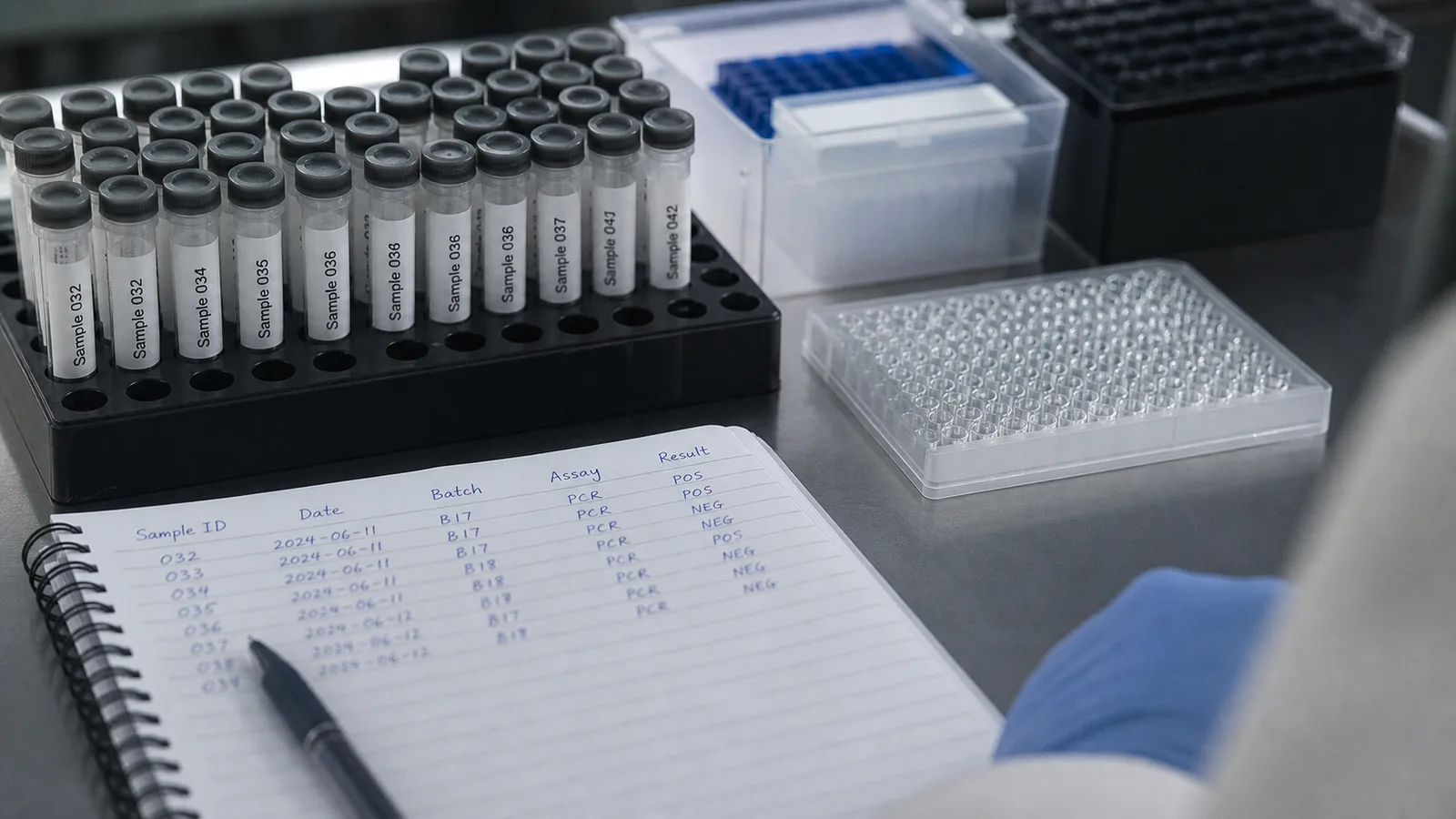
I'm part of an outbreak
The strongest position in food litigation. Federal investigators do the causation work.
Read this
I got sick after eating out
Provable only if the organism was confirmed. The meal you suspect is often the wrong one.
Read this
Animal contact or water
Not all E. coli is food. Fairs and untreated water have their own duty standards.
Read thisRelated guides
Evidence and research resources
See all resourcesEvidence checklist
The records, objects, photographs, and timelines worth preserving now.
Read thisPlain-language glossary
Medical, insurance, safety, and legal terms explained without the jargon.
Read thisOfficial sources
The government, court, safety, and medical sources used to check this site.
Read thisGet a straight answer about your case
Reading only gets you so far. A free review puts your actual facts in front of an attorney who handles these claims.
Free · No obligation · About 90 seconds