What happened
Your infection is part of a declared E. coli outbreak
If a health department, CDC, or FDA has told you your infection is part of an outbreak, you are in the best position a foodborne illness claimant can occupy.
The thing that defeats nearly every food claim is proving which meal did it. An outbreak investigation resolves that using resources no private litigant could assemble.
Published July 29, 2026 · Last reviewed July 30, 2026
What the sequencing actually proves
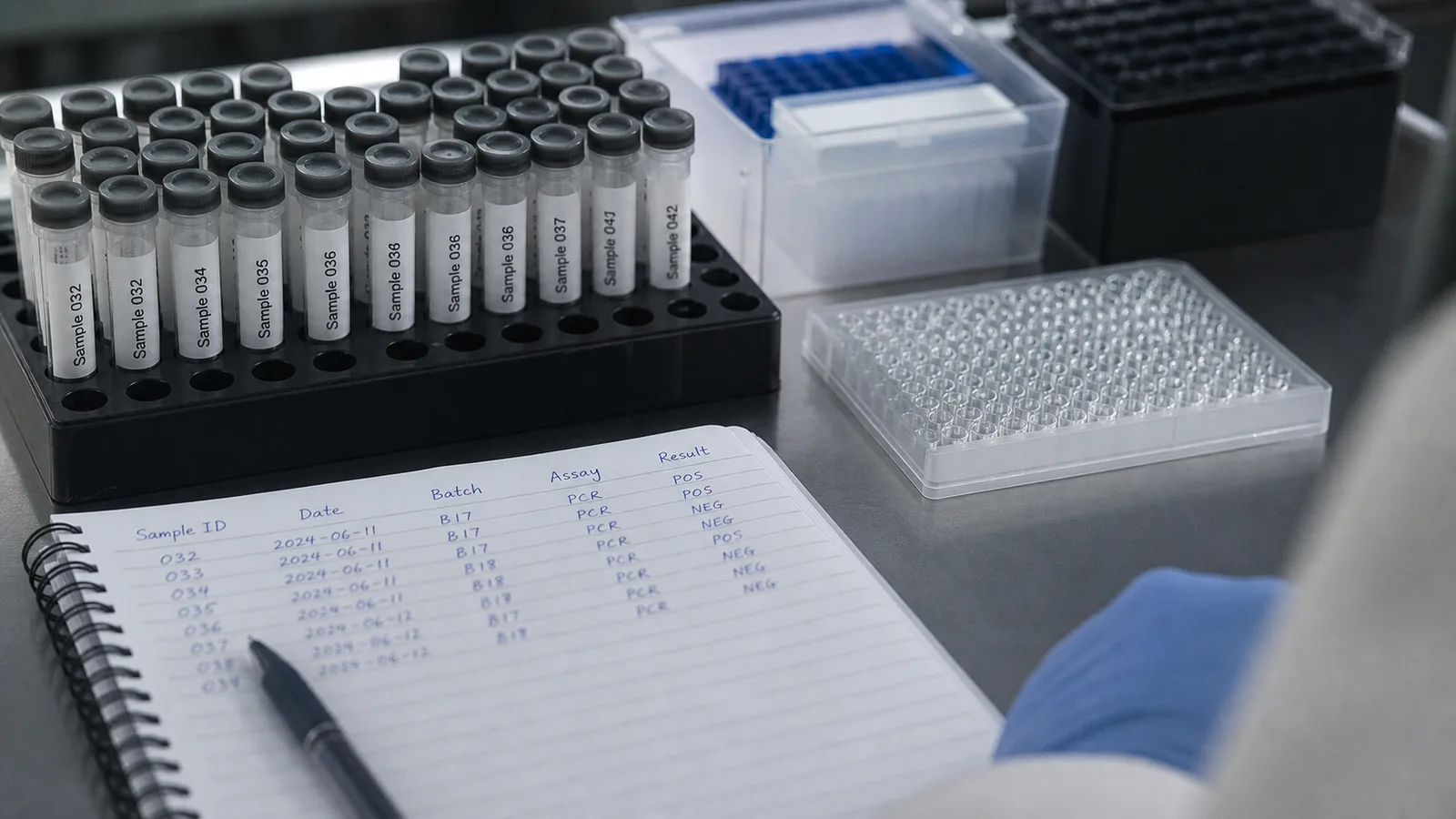
A confirmed STEC isolate gets whole-genome sequenced and compared against a national database of isolates from other patients. Cases whose organisms are nearly genetically identical are almost certainly from a common source.
Investigators then interview those patients about what they ate, find the common item, and trace it back through distribution records to a grower, processor, or plant. By the time an outbreak is declared, that traceback has usually been done and facilities have been inspected.
That is causation evidence created by government investigators with no stake in your claim, and it is stronger than any expert an individual could hire.
Where the claim actually goes
Usually upstream of wherever you ate. The restaurant served contaminated product; it didn't contaminate it. Liability tends to land on the grower, processor, or distributor — which is also where the meaningful insurance is.
The recurring vehicles in E. coli outbreaks are leafy greens, ground beef, raw milk and unpasteurised cheese, sprouts, raw flour and dough, and untreated water. Contamination in leafy greens frequently originates at the farm through irrigation water or runoff from adjacent livestock operations.
Food is treated as a defective product in most states, meaning strict liability applies — you generally don't have to prove anyone was careless, only that the product was contaminated when it left their control and that it hurt you. Traceback establishes exactly that.
Don't wait for the investigation to conclude
Outbreak investigations run for months and are sometimes never formally closed. Waiting for a final report is a mistake — evidence in your own possession degrades, and coordinated litigation organises early.
What to do now: request your lab result including the isolate identification, get your complete medical records, note your health department case number, and preserve any remaining product and packaging.
Where to check
Three free public sources, and it's worth checking more than once — recalls are frequently announced weeks after people start getting sick.
- CDC's outbreak listings, which cover multistate investigations
- FDA and USDA FSIS recall notices, searchable by product and lot
- Your state or county health department, which posts local investigations and restaurant inspection results
What tends to make a claim worth pursuing
None of these is a guarantee. They are the facts an attorney will look for first when deciding whether to take a case like yours.
- A health department or CDC told you your case is part of an outbreak
- Your isolate was genetically matched to other cases
- A recall covers a product you consumed, in the right date range
- You still have packaging with a lot code
- You were hospitalised, or developed HUS
- You have the purchase record
Questions
Should I join a class action?
Serious E. coli cases generally aren't handled as class actions, because individual damages vary enormously — one person had a bad week, another lost kidney function. They're usually filed as individual cases, sometimes coordinated. If your illness was severe, a class settlement would likely undervalue you substantially.
The recall came out after I got sick. Does that help?
Considerably. A recall is a documented acknowledgement that contaminated product was distributed, and the notice normally specifies lots and date ranges. If your purchase falls inside it, most of the causation gap is closed.
I don't have the packaging or the receipt.
Loyalty card records, card statements, delivery app history, and store purchase records can all establish what you bought and when, and much of it is obtainable from the retailer on request.
Read next
Other situations
I got sick after eating out
Provable only if the organism was confirmed. The meal you suspect is often the wrong one.
Read this
HUS — kidney failure
The catastrophic outcome, mostly in young children. These are the highest-value food cases there are.
Read this
Animal contact or water
Not all E. coli is food. Fairs and untreated water have their own duty standards.
Read thisEvidence and research resources
See all resourcesEvidence checklist
The records, objects, photographs, and timelines worth preserving now.
Read thisPlain-language glossary
Medical, insurance, safety, and legal terms explained without the jargon.
Read thisOfficial sources
The government, court, safety, and medical sources used to check this site.
Read thisHave a lawyer look at this
A free review tells you whether the facts you have are the facts that matter. No cost, and no obligation to hire anyone.
Free · No obligation · About 90 seconds