Guide
The restaurant probably isn't the defendant
People assume the claim is against whoever served the food. Often that's the least useful defendant — they distributed the contamination but didn't create it, and their coverage is modest next to what sits upstream.
Published July 29, 2026 · Last reviewed July 30, 2026
Food is a product
In most states contaminated food is a defective product, which means strict liability. You generally don't have to prove anyone was careless — only that the food was contaminated when it left the defendant's control, that you consumed it, and that it caused your injury.
That's a meaningfully lower bar than negligence, and it's why identifying the manufacturer matters more than proving a kitchen was dirty.
Everyone in the chain
Strict liability generally reaches every commercial seller in the distribution chain, down to the retailer.
- The grower — leafy green contamination frequently originates at the farm, through irrigation water or runoff from adjacent cattle operations
- The processor — where large multistate outbreaks usually originate, because one facility's failure distributes nationally
- Slaughter and grinding operations, for ground beef
- The distributor
- The retailer or restaurant
When the restaurant is the right defendant
Sometimes the failure genuinely is local: undercooking, cross-contamination, an infected handler working while symptomatic, or documented temperature abuse. Inspection history is what distinguishes these, and it's public.
An independent restaurant may carry general liability coverage in the low seven figures at best. A paediatric HUS case with dialysis and lifetime nephrology follow-up can exceed that quickly, which is another reason to identify upstream defendants early.
The traceback is not your job
Restaurants keep supplier invoices, distributors keep shipping records, and processors keep lot records. Traceback is standard work in these cases and it's precisely what health departments and FDA do during an outbreak investigation.
Your job is establishing what you ate, when, and where — and getting the organism confirmed.
Questions
The restaurant blames its supplier.
They may well be right, and it costs you nothing. Strict liability generally lets you pursue anyone in the chain and leaves them to allocate responsibility between themselves.
Does a good health inspection score protect them?
No. An inspection is a snapshot of one day. It's a fact a defence lawyer will use, but it doesn't establish conditions on the day you were served — and the prior inspection history frequently tells a different story.
It was raw milk from a small farm.
Then the analysis shifts toward warnings and toward whether the sale complied with state law, which varies enormously. A sale in violation of a state prohibition is strong evidence of negligence on its own. Coverage may be thin, so it's worth establishing early what insurance exists.
Situations this applies to
I'm part of an outbreak
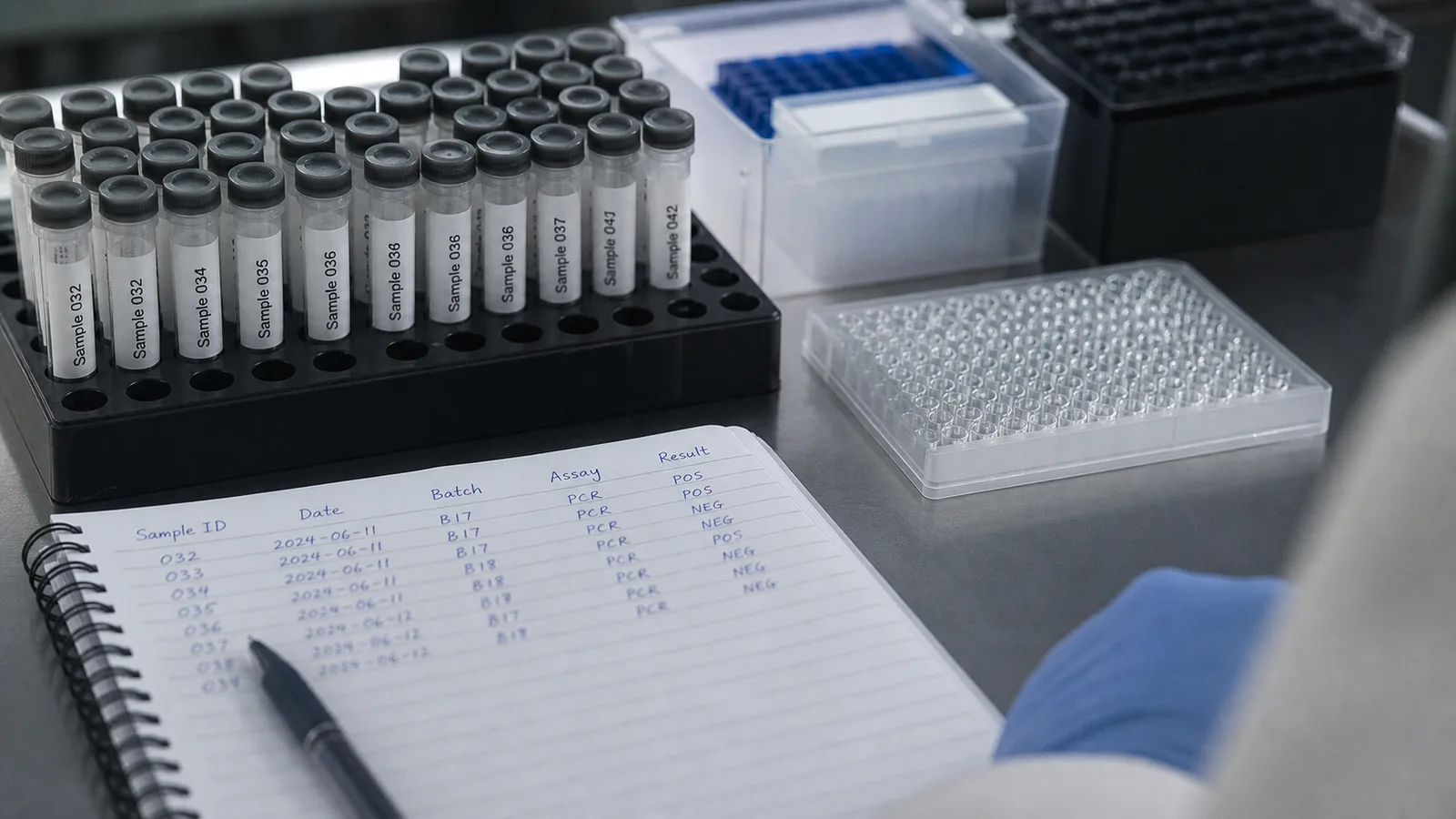
The strongest position in food litigation. Federal investigators do the causation work.
Read this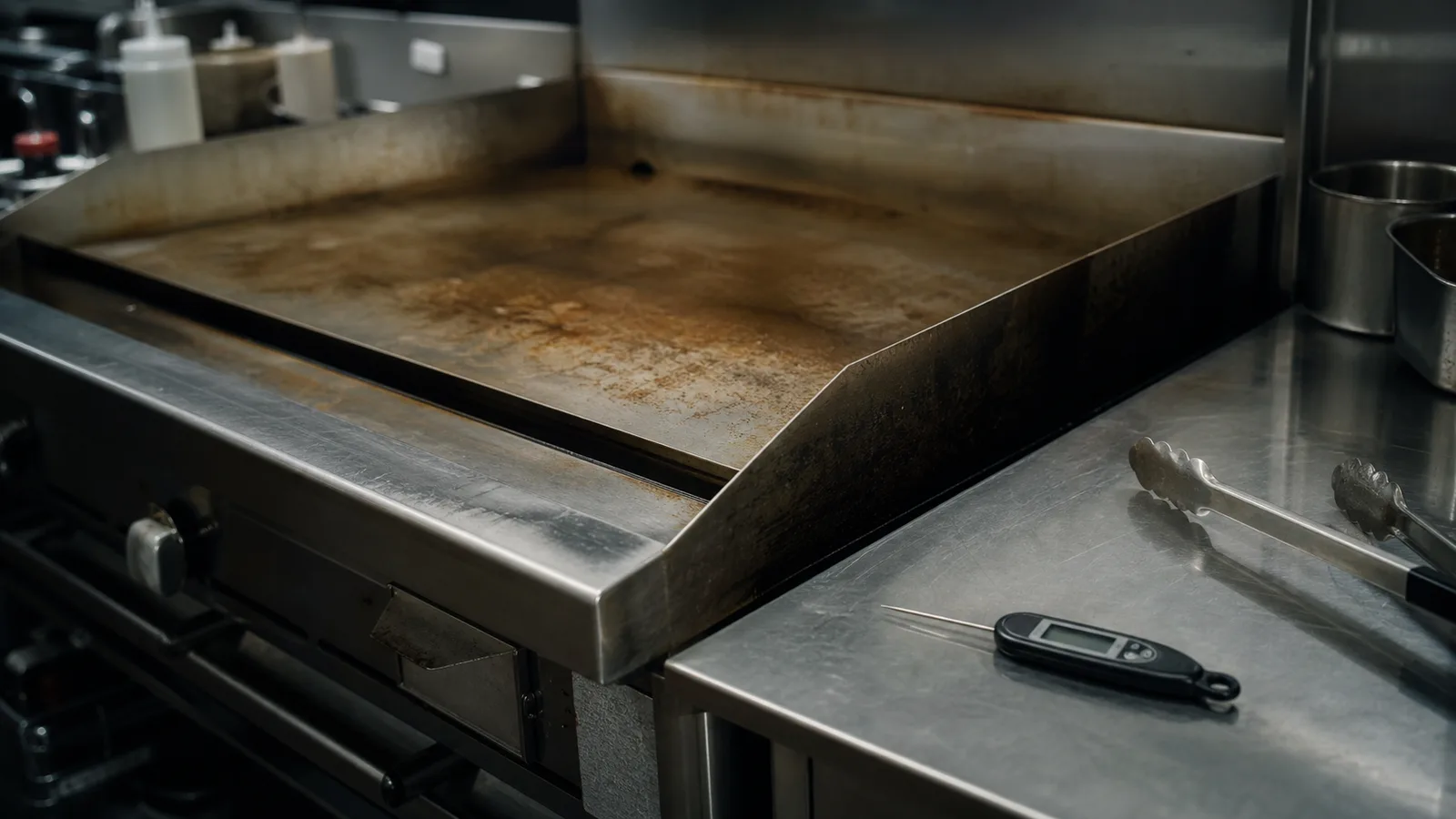
I got sick after eating out
Provable only if the organism was confirmed. The meal you suspect is often the wrong one.
Read this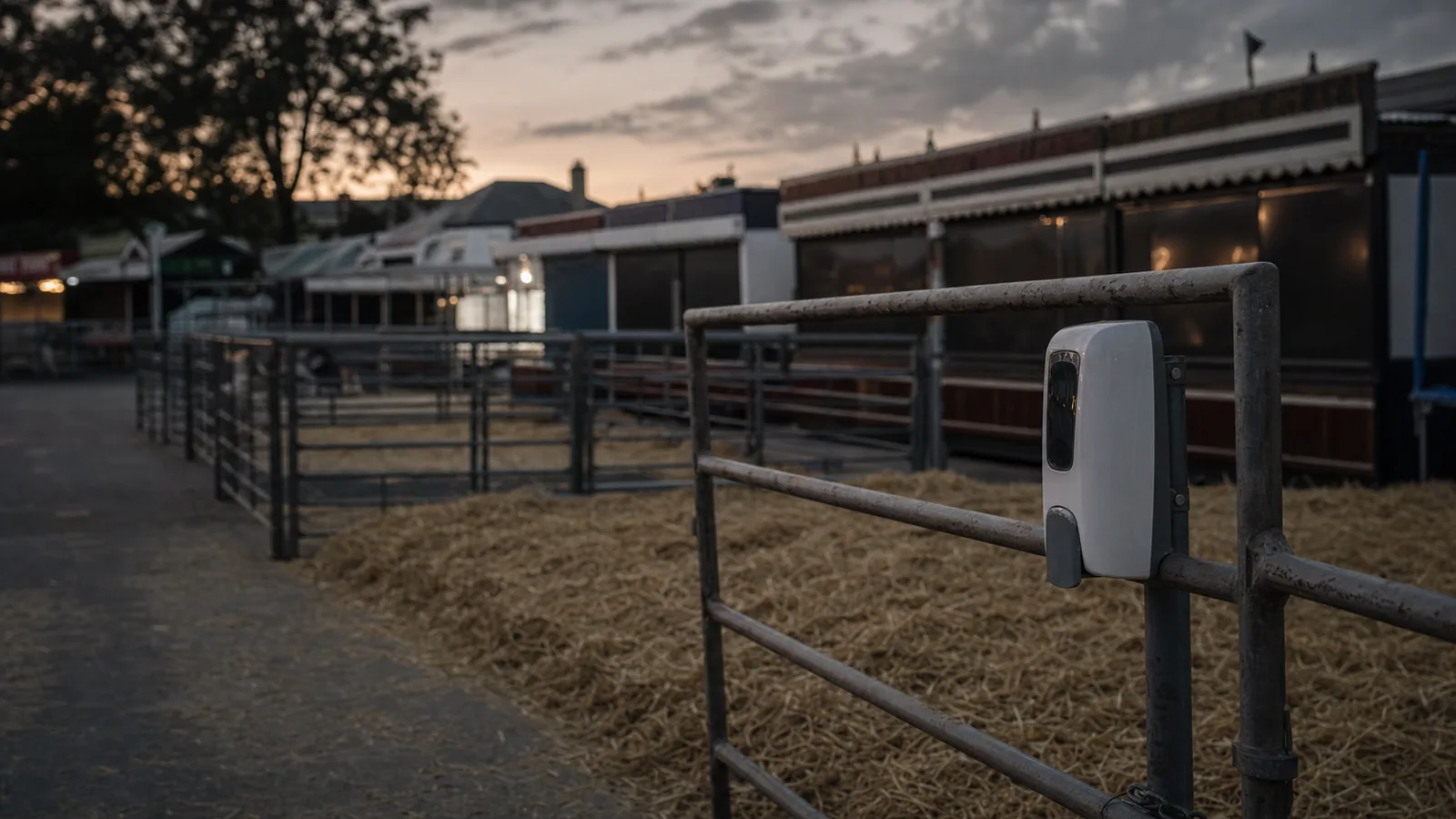
Animal contact or water
Not all E. coli is food. Fairs and untreated water have their own duty standards.
Read this
HUS — kidney failure
The catastrophic outcome, mostly in young children. These are the highest-value food cases there are.
Read thisRelated guides
Evidence and research resources
See all resourcesEvidence checklist
The records, objects, photographs, and timelines worth preserving now.
Read thisPlain-language glossary
Medical, insurance, safety, and legal terms explained without the jargon.
Read thisOfficial sources
The government, court, safety, and medical sources used to check this site.
Read thisGet a straight answer about your case
Reading only gets you so far. A free review puts your actual facts in front of an attorney who handles these claims.
Free · No obligation · About 90 seconds