What happened
E. coli after a restaurant meal or ground beef
This is the most common search and the hardest single-case claim, and the reason is arithmetic: E. coli O157 typically incubates three to four days, sometimes up to ten.
So the meal you're thinking of — usually the last thing you ate before getting sick — is frequently not the source. Something you ate three or four days earlier probably is.
Published July 29, 2026 · Last reviewed July 30, 2026
Why confirmation is everything
Without a lab-identified organism there is normally no way to connect your illness to a specific meal, and no attorney can build a case on suspicion.
With one, the incubation window points backwards to the right set of meals, the isolate can be matched against other cases, and a health department inspection can find the actual failure.
If you are still symptomatic, ask for a stool culture and ask specifically that the organism be identified and the isolate retained. Once the diarrhoea stops, that window closes and cannot be reopened.
| Organism | Onset | Bloody diarrhoea? | Kidney risk |
|---|---|---|---|
| E. coli O157:H7 | 3–4 days, up to 10 | Common | HUS in 5–10% of diagnosed cases |
| Non-O157 STEC | 3–4 days | Sometimes | Lower, but real |
| Salmonella | 12–72 hours | Occasional | No |
| Campylobacter | 2–5 days | Sometimes | No — but Guillain-Barré risk |
| Norovirus | 12–48 hours | No | No |
How restaurants cause it
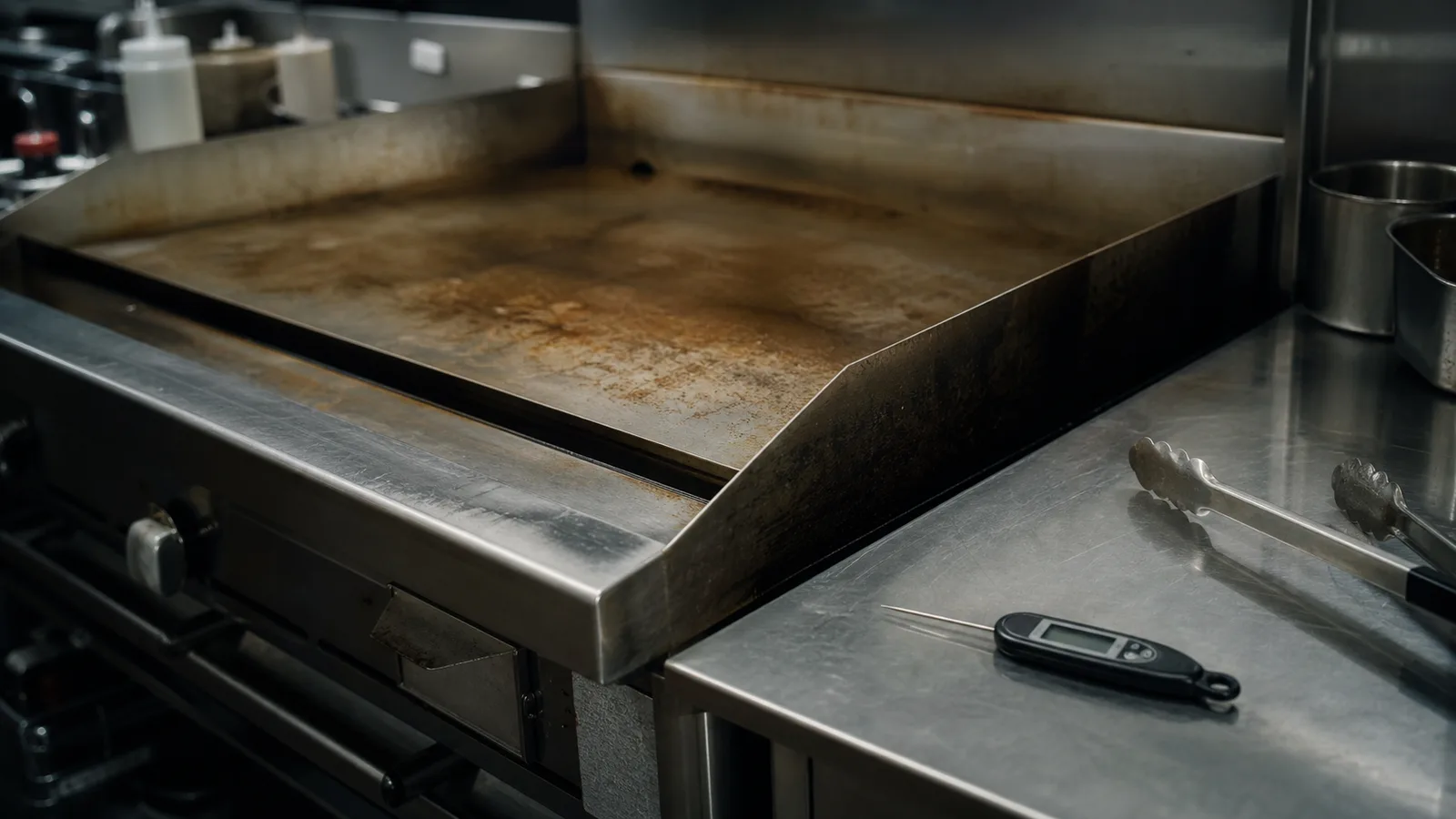
The failure patterns are recognisable, and inspection reports document them.
- Undercooked ground beef — grinding distributes surface bacteria throughout, which is why a rare burger is a different risk from a rare steak
- Cross-contamination between raw meat and ready-to-eat food, via boards, utensils, or hands
- Contaminated produce, especially leafy greens, served raw
- An infected food handler working while symptomatic
- Inadequate handwashing infrastructure
- Temperature abuse in holding or cooling
Report it to the health department
Free, takes minutes, and it does two things nothing else does: it triggers an inspection while conditions are still what they were, and it puts your case into the surveillance system where it can be matched with others.
Inspection reports are public records in most jurisdictions. Pulling the reports for the months before your illness frequently reveals the same violations recurring — which turns a one-off into a documented history.
The honest assessment
An uncomplicated E. coli infection that resolved in under a week with no hospitalisation and no lab work is generally not economically viable to pursue, even if a restaurant genuinely caused it. The damages are modest and the cost of proving causation is many times that.
The cases that get pursued involve hospitalisation, a confirmed isolate, and lasting consequence — HUS above all, and in adults thrombotic complications, prolonged illness, or lasting bowel or kidney effects.
What tends to make a claim worth pursuing
None of these is a guarantee. They are the facts an attorney will look for first when deciding whether to take a case like yours.
- A stool culture identified Shiga toxin–producing E. coli
- You had bloody diarrhoea and sought emergency care
- You were hospitalised
- Others who ate the same meal also got sick
- The health department investigated or cited the establishment
- You still have receipts, order records, or leftovers
- The illness left lasting effects rather than resolving in days
Questions
I didn't get tested and I'm better now. Do I have a case?
Realistically, usually not — unless an outbreak has since been declared at that establishment and your dates and symptoms fit. That does happen, so it's worth checking health department postings and recall notices for the location and period. Without a confirmed organism and without an outbreak, causation generally can't be shown.
The restaurant offered a refund and a gift card. Should I take it?
A refund is generally fine and waives nothing. What matters is whether you're asked to sign something. Any document using the words release, waiver, or settlement ends your claim permanently — including for HUS, which typically appears a week or more after the diarrhoea starts.
Can I sue if only I got sick?
You can, but a single case with no confirmed organism and no other cases is very hard to tie to a source. A single case with a confirmed isolate and an inspection finding violations is a different conversation entirely.
Read next
Other situations
HUS — kidney failure
The catastrophic outcome, mostly in young children. These are the highest-value food cases there are.
Read this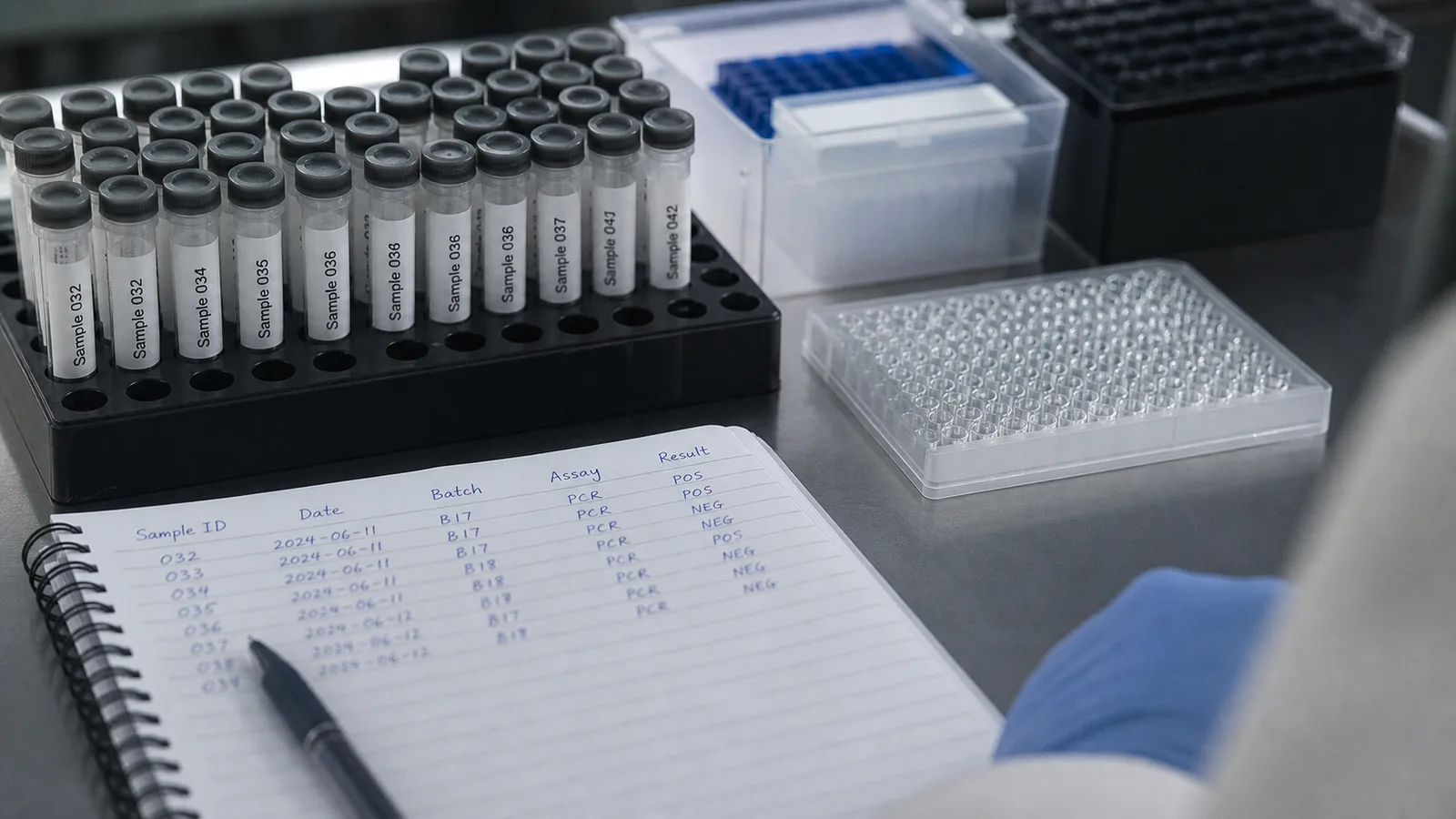
I'm part of an outbreak
The strongest position in food litigation. Federal investigators do the causation work.
Read this
Animal contact or water
Not all E. coli is food. Fairs and untreated water have their own duty standards.
Read thisEvidence and research resources
See all resourcesEvidence checklist
The records, objects, photographs, and timelines worth preserving now.
Read thisPlain-language glossary
Medical, insurance, safety, and legal terms explained without the jargon.
Read thisOfficial sources
The government, court, safety, and medical sources used to check this site.
Read thisHave a lawyer look at this
A free review tells you whether the facts you have are the facts that matter. No cost, and no obligation to hire anyone.
Free · No obligation · About 90 seconds